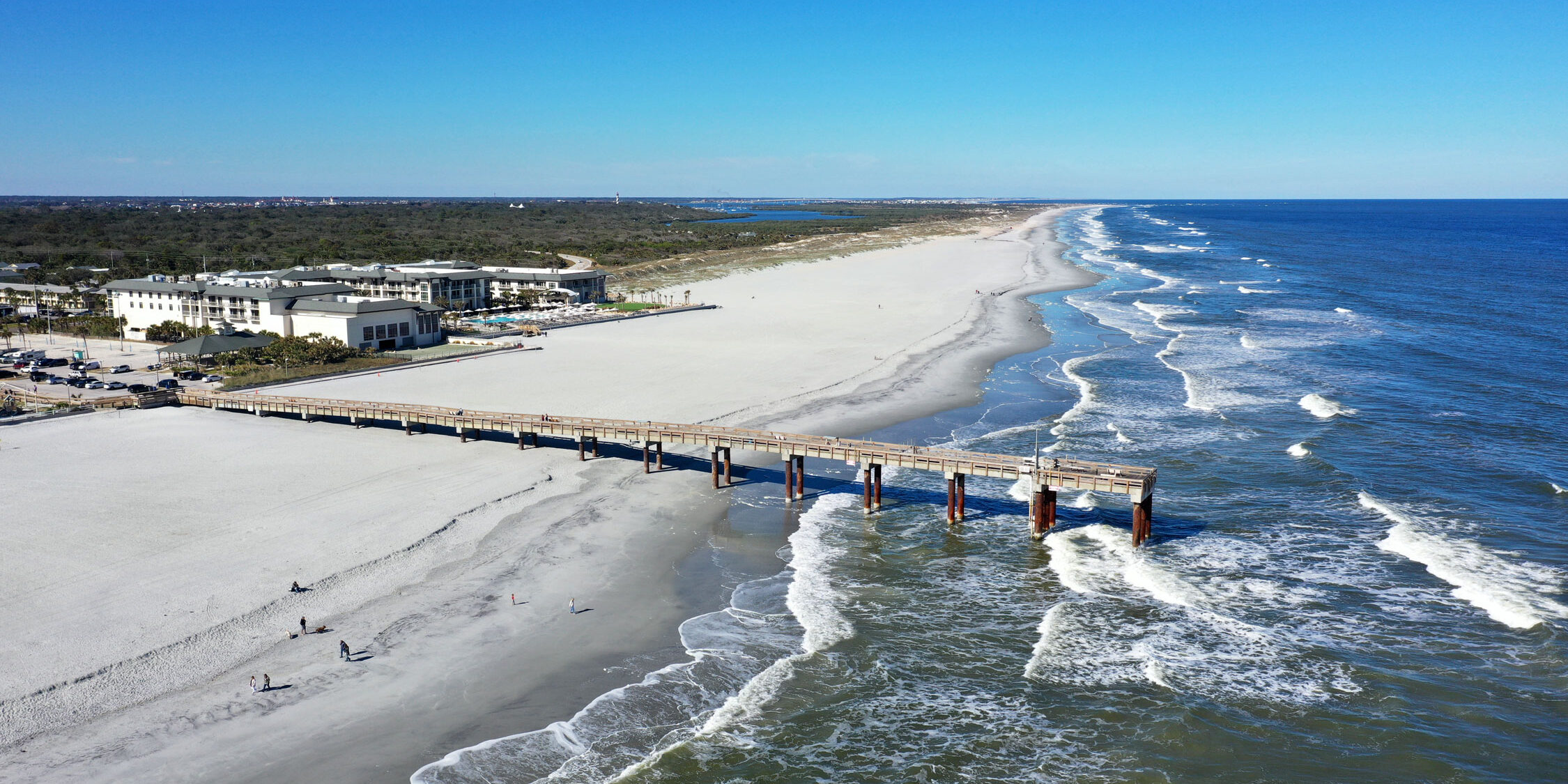
St. Augustine Beach is a beloved destination for its stunning coastline and laid-back atmosphere, but its history is just as rich and captivating as its natural beauty. Located on Anastasia Island, this seaside town shares its historical roots with the city of St. Augustine, the oldest continuously inhabited European settlement in the United States. The evolution of St. Augustine Beach from a sparsely populated area to a thriving beach community reflects the broader historical journey of Northeast Florida. Let’s explore the fascinating history of St. Augustine Beach and its transformation over time.
Early History and Native Inhabitants
Long before European settlers arrived, the area that is now St. Augustine Beach was inhabited by Native American tribes, primarily the Timucua people. They thrived in the coastal environment, living off the rich marine resources of the Atlantic Ocean, rivers, and marshlands. Archaeological evidence suggests the Timucua built settlements on Anastasia Island, using the area’s natural resources to sustain their communities.
CLICK HERE to Learn More about the Timicua in St. Augustine
The arrival of Spanish explorers in the 16th century marked a significant shift in the region’s history. In 1565, Spanish admiral Pedro Menéndez de Avilés founded St. Augustine, establishing it as a strategic military and missionary outpost for Spain. Although the primary settlement was located across the bay on the mainland, Anastasia Island—including what would become St. Augustine Beach—played an important role in the area’s defense and economic development.

The Colonial Era and the Establishment of Quarries
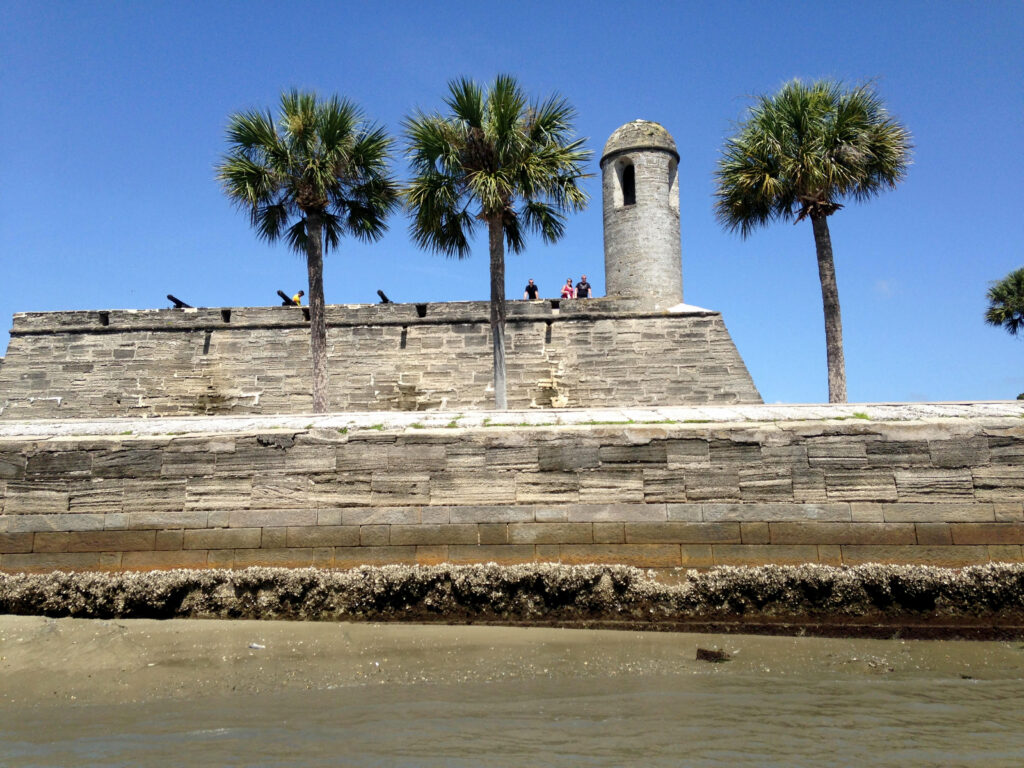
Anastasia Island became an integral part of Spanish colonial St. Augustine’s infrastructure during the late 1600s when the Spanish discovered coquina stone, a naturally occurring shellstone that was easy to quarry but incredibly durable when dried. Coquina was mined from the island and used to build many of St. Augustine’s most iconic structures, including the Castillo de San Marcos, which was completed in 1695.
These coquina quarries, located just a few miles from today’s St. Augustine Beach, were a valuable resource for both the Spanish and later British occupiers of St. Augustine. The stone remains a defining feature of the region’s architectural heritage.
19th Century: Growth and Early Settlement
Following the transfer of Florida from Spanish to American control in 1821, the area around St. Augustine Beach remained largely undeveloped. While St. Augustine itself began to grow as a small port town, Anastasia Island was used primarily for farming, fishing, and occasional recreational visits by locals.
By the mid-1800s, Anastasia Island became more accessible thanks to the construction of a series of bridges, including a wooden bridge in the 1880s, which connected the island to the mainland. This newfound access spurred the development of small communities and laid the groundwork for the future resort town of St. Augustine Beach.
The Early 20th Century: The Birth of a Beach Town
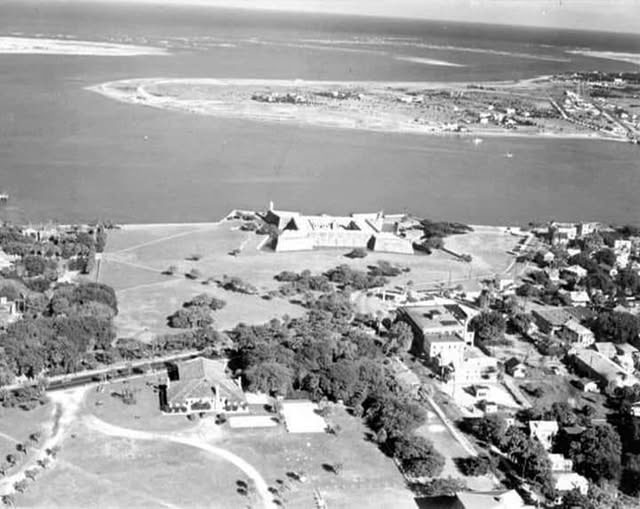
The early 20th century marked the beginning of St. Augustine Beach’s transformation into a popular seaside destination. In the 1920s, a boom in tourism across Florida helped ignite interest in beach communities. As Americans sought leisure and relaxation by the coast, developers began building vacation cottages and beach homes along the shores of St. Augustine Beach.
The construction of State Road A1A along the eastern coast of Florida provided easier access to the beaches of Anastasia Island, opening up the area to tourists and visitors from other parts of the state and country. St. Augustine Beach quickly gained a reputation as a relaxing retreat, attracting both locals and travelers.
The Era of Resorts and Hotels
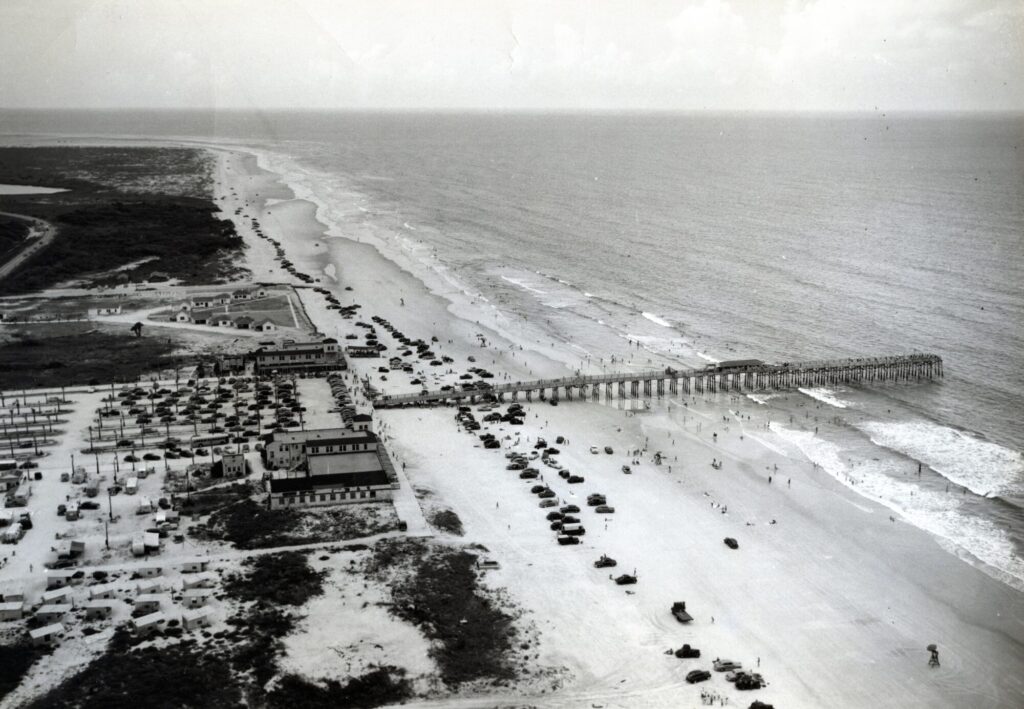
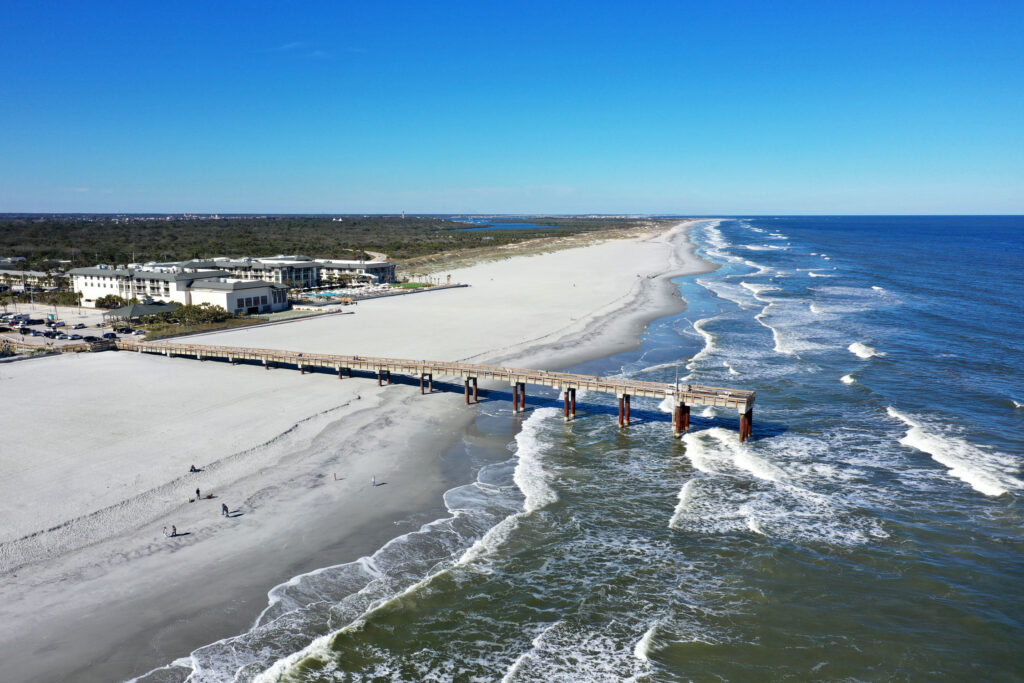
The 1940s and 1950s saw a surge in tourism, with new hotels, motels, and beachfront cottages popping up along St. Augustine Beach. Visitors flocked to the area to enjoy the pristine beaches, sunny weather, and family-friendly atmosphere. One of the most notable attractions during this time was the St. Johns County Ocean Pier, which opened in 1947. The pier became a hub for fishing, strolling, and recreation, further solidifying St. Augustine Beach as a vacation hotspot.
As the tourism industry flourished, St. Augustine Beach began to develop its own distinct identity, separate from the historical landmarks of downtown St. Augustine. It became a destination in its own right, known for its laid-back charm, stunning coastline, and beach-centric lifestyle.

Incorporation and Growth in the Late 20th Century
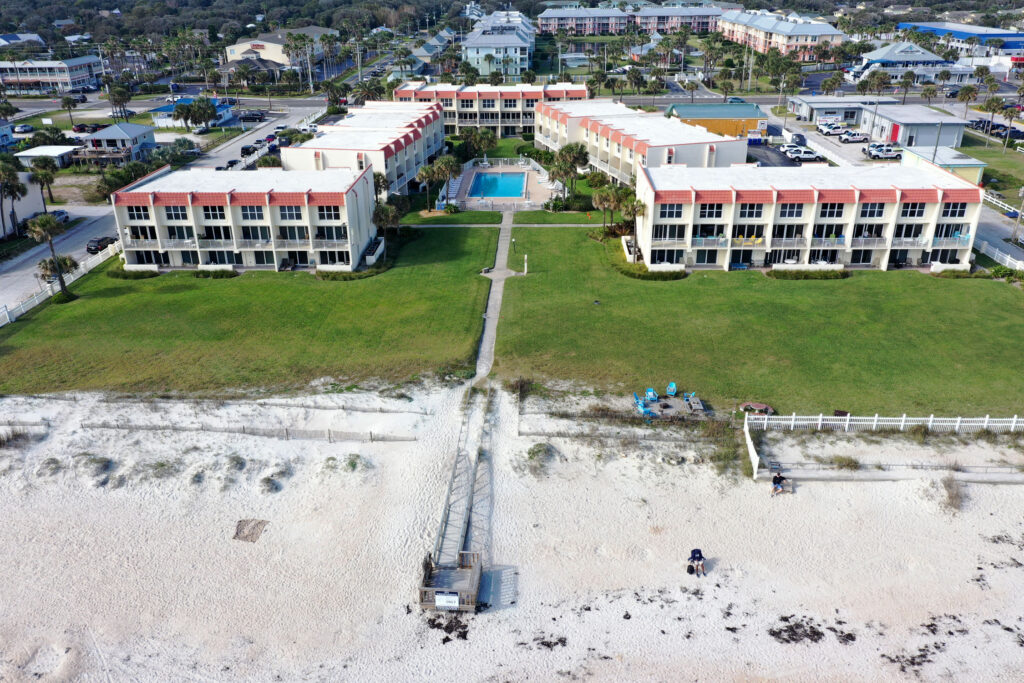
St. Augustine Beach was officially incorporated as a city in 1959. Over the next several decades, the city saw steady growth as more permanent residents moved to the area and new developments catered to the increasing demand for beachfront living. The construction of condos, like Pier Point South, and other residential communities helped shape the area into the vibrant beach town it is today.
While development continued, the local government and residents worked hard to preserve the area’s natural beauty and family-friendly atmosphere. Strict zoning laws were enacted to limit high-rise construction, ensuring that St. Augustine Beach maintained its small-town coastal vibe.
Modern St. Augustine Beach: A Blend of History and Recreation
Today, St. Augustine Beach strikes a perfect balance between its historical roots and modern recreational appeal. Visitors to the area can still feel the connection to the past, from the nearby coquina quarries to the historic city of St. Augustine just across the bay. At the same time, the beach itself remains a central draw, with miles of sandy shores, oceanfront parks, and plenty of opportunities for surfing, fishing, and beachside relaxation.
The St. Johns County Ocean Pier remains a landmark, hosting events like the weekly farmers’ market and seasonal concerts. The local community has also embraced a focus on environmental conservation, with programs aimed at protecting sea turtles and preserving the dune ecosystems that line the shore.
A Coastal Gem with a Rich History
St. Augustine Beach offers visitors a unique opportunity to experience both Florida’s rich history and its modern-day coastal charm. Whether you’re strolling along the sandy shores, exploring the historic coquina quarries, or simply enjoying a peaceful day by the ocean, St. Augustine Beach is a place where history and relaxation come together in perfect harmony.
This small seaside town may have started as an extension of historic St. Augustine, but over the years, it has grown into a beloved destination all its own—a place where the past is ever-present, and the beauty of the coast invites you to unwind and enjoy life’s simple pleasures.